Is Use Cases Safe for Privacy
See when use cases safe for privacy fits, how the workflow usually looks, and where the limits appear before you build around it.
For readers evaluating is use cases safe for privacy, the fit question is where it helps, which inputs control the result, and what needs human review before the workflow repeats. The strongest is use cases safe for privacy article helps the reader judge voice, boundaries, discovery flow, and session quality before building a longer routine. For nsfwtavern.com, start with NSFW Tavern; bring in Browse All Characters only when it clarifies the next decision.
Before expanding the workflow, make one test observable through one character role, one opening scenario, and whether the voice and boundaries still feel coherent after a short chat. NSFW Tavern - Spicy AI Girlfriend & Tavern AI Chat gives the product context, while SillyTavern's Characters documentation and SillyTavern's Tags documentation help frame constraints, examples, and review habits. That matters for readers deciding whether use cases safe for privacy fits a specific use case, workflow, or constraint. To separate this page from overlapping published topics on nsfwtavern.com, it uses a narrower audience, stronger criteria, and a more specific search intent.
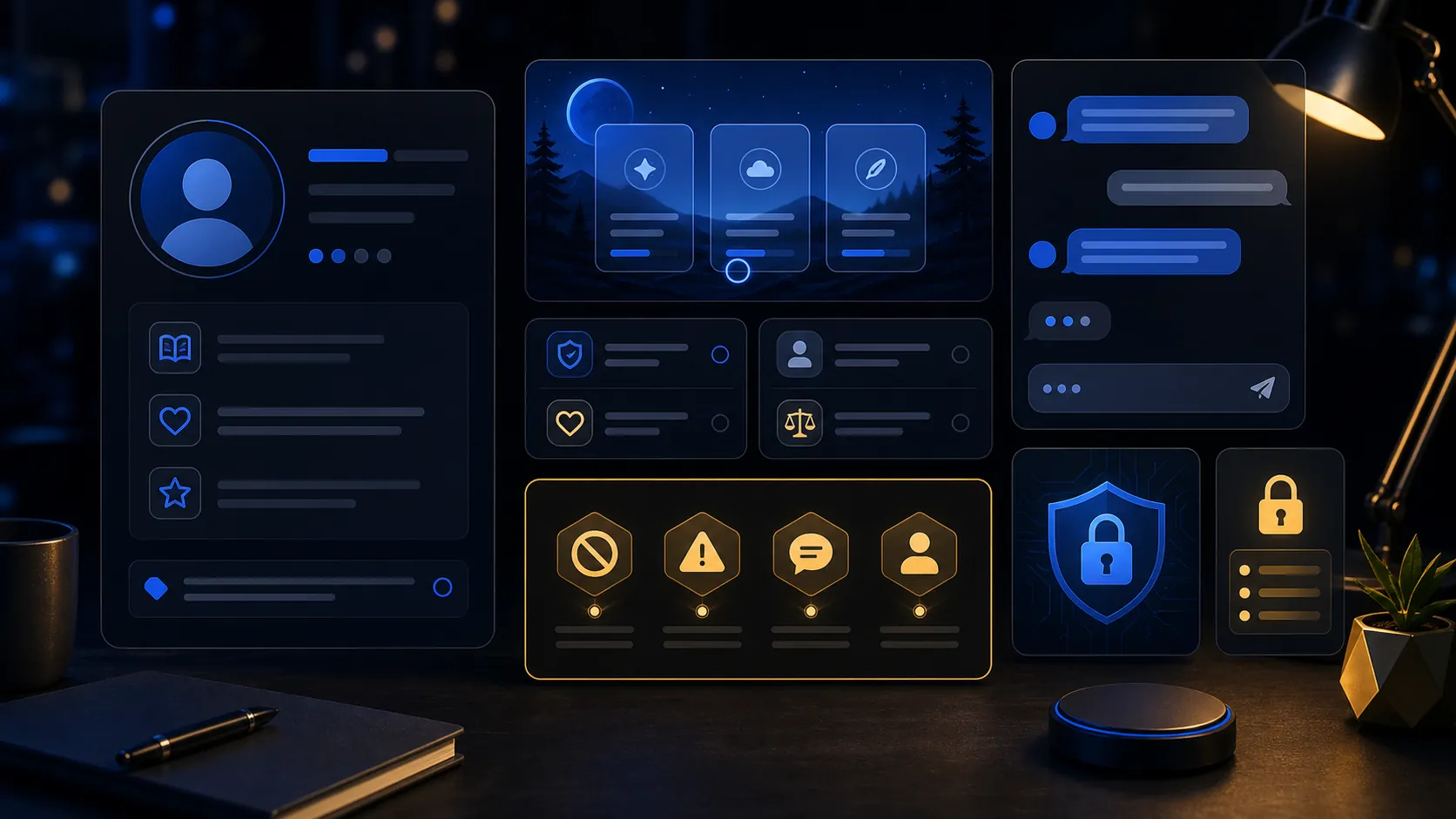
The structure follows What Use Cases Safe for Privacy Can Expose, Pre-Publish Checks for Data, Claims, and Consent, and How to Keep the First Test Lower Risk, moving from context to a usable test instead of another loose overview.
Key Takeaways
- Use is use cases safe for privacy to answer one practical decision before widening the workflow.
- Start with NSFW Tavern; compare other pages only when the first result leaves a specific question open.
- Name privacy, policy, rights, and quality checks before scaling the workflow.
- Use Pre-Publish Checks for Data, Claims, and Consent to check user data, claims, and platform policy before reuse.
What Use Cases Safe for Privacy Can Expose
The risk check belongs early, not after the workflow already feels convenient. Review privacy, policy, rights, and quality before a one-off result becomes a default habit. Neutral references such as SillyTavern's Characters documentation help keep that review grounded. Anchor this to privacy and policy. Keep the checkpoints visible: privacy, policy, rights, and quality control. Make the test specific to is use cases safe for privacy: one character role, one opening scenario, and whether the voice and boundaries still feel coherent after a short chat.
- Privacy: avoid exposing personal or sensitive inputs.
- Policy: check platform and tool rules before publishing.
- Local fit: keep this section grounded in nsfwtavern.com and the reader's next character workflow decision.
- Quality: keep a human review step for final claims and visuals.
Risk Checklist
- Privacy: avoid entering personal details or sensitive context that the workflow does not need.
- Policy: check site and platform rules before publishing, sharing, or automating the workflow.
- Rights: pause when ownership, reuse, or consent is not clear enough for the intended next step.
- Quality Control: keep a human review step for safety, accuracy, and fit before reuse.
- Nsfwtavern.com Context: decide how this changes the first is use cases safe for privacy test.
That baseline matters before the reader opens NSFW Tavern or uses SillyTavern's Characters documentation as a reference point, because both are easier to judge when the first job is already named.
Pre-Publish Checks for Data, Claims, and Consent
Before a private is use cases safe for privacy workflow is shared, saved, or repeated, ask a few plain questions. What user data is involved? Could the output imply a claim the site cannot support? Does the platform policy allow this use? These questions keep Use Cases Safe for Privacy practical without turning the article into fear-based advice. Anchor this to user data and claim review. Tie the advice back to user data, claim review, platform policy, and nsfwtavern.com context; those details are what make this section belong to the topic. Make the test specific to is use cases safe for privacy: one character role, one opening scenario, and whether the voice and boundaries still feel coherent after a short chat.
- Treat Pre-Publish Checks for Data, Claims, and Consent as a fit check, not a feature tour.
- Compare the result against one visible success rule for is use cases safe for privacy.
- Decision point: use Pre-Publish Checks for Data, Claims, and Consent to remove one uncertainty, not to add another general option.
The is use cases safe for privacy article works best when Pre-Publish Checks for Data, Claims, and Consent narrows the choice instead of widening it with another abstract recommendation.
How to Keep the First Test Lower Risk
Risk goes down when the first workflow is smaller. Limit the scope, remove unnecessary personal details, review the result before reuse, and keep a fallback plan when the output is not stable enough. That gives the reader a way to continue carefully instead of either ignoring risk or stopping too early. Anchor this to scope and review. Anchor this section in scope, review, fallback, and nsfwtavern.com context, then leave out anything that does not change the decision. For this section, keep the evidence visible through one character role, one opening scenario, and whether the voice and boundaries still feel coherent after a short chat.
- Start with the constraint How to Keep the First Test Lower Risk is meant to clarify.
- Review one Use Cases Safe for Privacy output before opening another path.
- nsfwtavern.com check: tie How to Keep the First Test Lower Risk back to scope and review before recommending another path.
That keeps the How to Keep the First Test Lower Risk section honest for nsfwtavern.com: the reader is reducing the next decision to something observable.
When Use Cases Safe for Privacy Is Not Ready to Use
Some signals mean the workflow is not ready yet. If the output changes too much between attempts, if rights or policy are unclear, or if manual cleanup becomes the main job, pause before scaling it. A stop rule is useful because it protects the reader from building a routine around a weak first result. Anchor this to inconsistent output and unclear rights. Tie the advice back to inconsistent output, unclear rights, manual cleanup, and nsfwtavern.com context; those details are what make this section belong to the topic. Make the test specific to is use cases safe for privacy: one character role, one opening scenario, and whether the voice and boundaries still feel coherent after a short chat.
- Name the exact Use Cases Safe for Privacy job before comparing options in When Use Cases Safe for Privacy Is Not Ready to Use.
- Run one small is use cases safe for privacy test to expose the real constraint.
- Decision point: use When Use Cases Safe for Privacy Is Not Ready to Use to remove one uncertainty, not to add another general option.
After this check, is use cases safe for privacy should have a clear verdict: continue with the path that worked, pause because the signal is weak, or rewrite the brief before spending more time.
Check Whether Use Cases Safe for Privacy Is Ready to Reuse
A good final check for is use cases safe for privacy is to separate the first attractive output from the workflow the reader can repeat. On nsfwtavern.com, that means matching the result to a real constraint, not a generic idea of usefulness. If the first result looks interesting but does not help readers deciding whether use cases safe for privacy fits a specific use case, workflow, or constraint, it is still too early to build a larger routine around it.
Before expanding, ask whether the first pass solves the job, shows the next edit, and supports the goal to choose one relevant next click. Those questions keep the decision grounded in evidence the reader can see. They also keep the workflow practical: one character role, one opening scenario, and whether the voice and boundaries still feel coherent after a short chat.
- Finish one bounded pass before opening a second path.
- Review Use Cases Safe for Privacy against the original job, not against every possible use case.
- Keep the result only if the next step becomes easier to explain.
- Stop when the process needs more cleanup than the outcome is worth.
That review makes is use cases safe for privacy easier to trust because the reader knows when to continue and when to pause. They can move forward when the workflow produces one clear, reusable outcome, and they can pause when the process depends on guesses the first session has not proved.
FAQ
When Does Use Cases Safe for Privacy Make Sense for Nsfwtavern Readers?
Use Use Cases Safe for Privacy when the scenario is narrow, the boundaries are clear, and the first chat can be reviewed before it becomes a habit. If the roleplay needs personal context the reader is not comfortable sharing, narrow the setup first.
What Problem Does Nsfwtavern Need Use Cases Safe for Privacy to Solve?
Start by deciding what information the chat actually needs, then leave out personal details that do not improve the roleplay. Use NSFW Tavern for one narrow session and review the result before saving, sharing, or expanding it.
What Does a Practical Nsfwtavern Workflow for Use Cases Safe for Privacy Look Like?
A practical workflow starts with one character role, one opening scenario, and one boundary rule. Use NSFW Tavern first, then compare with Browse All Characters only when the first review leaves a specific fit question open.
What Limitations Should Nsfwtavern Readers Check with Use Cases Safe for Privacy?
The main limits are unclear boundaries, weak privacy expectations, and chats that need too much correction before they feel coherent. With is use cases safe for privacy, pause when the first session cannot explain what to keep, change, or stop.
How Do You Know If Use Cases Safe for Privacy Is the Right Fit for Nsfwtavern?
The right fit is a chat workflow where the first session feels coherent without asking for unnecessary personal context. If the reader has to repair the voice, scenario, or boundaries by hand, start smaller.
Use Cases Safe for Privacy Decision Rule for Nsfwtavern
The strongest is use cases safe for privacy article helps the reader judge voice, boundaries, discovery flow, and session quality before building a longer routine.
For is use cases safe for privacy, continue when the use case produces a result the reader can reuse, explain, or improve. Start with NSFW Tavern, then use Browse All Characters only when it improves the decision. The strongest ending for is use cases safe for privacy is a usable verdict: try this path, narrow the brief, or stop before more complexity is added.
A strong is use cases safe for privacy article leaves the reader with a concrete action, a review signal, and a reason to stop before the workflow gets busier than the decision requires.